
Introduction: Why Kolster Brandes Still Fascinates Collectors Today
Few names in the history of British electronics carry the weight and nostalgia of Kolster Brandes. Known widely by its shorthand “KB,” this once-thriving manufacturer shaped how households across Britain listened to the world through radio and, later, television. <cite index=”1-1″>Kolster-Brandes Ltd was a British manufacturer of radio and television sets based in Foots Cray, Sidcup, Kent, and the company was American-owned.</cite> Its story is one of transatlantic mergers, wartime innovation, and household products that became fixtures in British living rooms for decades.
Whether you’re a vintage electronics enthusiast, a collector hunting for your next find, or simply curious about the name “Kolster Brandes,” this guide breaks down everything you need to know — presented clearly, without the fluff.
What Is Kolster Brandes? A Quick Overview
At its core, Kolster Brandes was a manufacturer, not a single inventor or product. <cite index=”1-1″>The company descended from Brandes, a Canadian company founded in Toronto in 1908.</cite> Over the decades, it evolved through mergers, ownership changes, and product lines that spanned from simple headphones to sophisticated television sets.
Quick Facts Table
| Attribute | Detail |
| Founding roots | Brandes Ltd, Toronto, 1908 |
| British base | Foots Cray, Sidcup, Kent |
| Ownership | American-owned (AT&T lineage, later ITT) |
| Core products | Radios, headphones, loudspeakers, televisions |
| Name origin | Merger of Brandes with Kolster Radio Corporation |
| Later brand name | ITT KB |
| Notable partnership | Cunard ocean liners (including RMS Queen Mary) |
The Origins: From Toronto to Britain
How Brandes Began
The Brandes name traces back to a Canadian company established in Toronto in 1908, long before it became associated with Britain. <cite index=”1-1″>Brandes became part of AT&T in 1922, and a British subsidiary, Brandes Ltd, was established in Slough in 1924 to manufacture headphones.</cite> This move into the UK market laid the groundwork for everything that followed.
The Move to Foots Cray
As demand grew, so did the company’s ambitions. <cite index=”1-1,2-1″>The company rapidly expanded, producing a range of loudspeakers, and in 1928 moved to a former silk mill at Foots Cray.</cite> This site would go on to become synonymous with the KB name for much of the twentieth century.
How the Kolster Brandes Name Was Born
The distinctive “Kolster Brandes” branding didn’t exist from day one — it was the product of a corporate merger. <cite index=”1-1″>The company was renamed Kolster-Brandes Ltd after its American parent merged with the Kolster Radio Corporation.</cite>
Interestingly, the “Kolster” half of the name has its own engineering pedigree. <cite index=”10-1″>Frederick A. Kolster was a Swiss-born United States electrical engineer and inventor who founded the Kolster Radio Corporation.</cite> His earlier work centered on radio direction-finding technology used by the U.S. military, giving the eventual KB brand a foundation rooted in serious engineering credibility rather than pure consumer marketing.
Kolster Brandes’ Golden Era: Radios That Defined a Generation
The Masterpiece Radio and a Clever Marketing Move
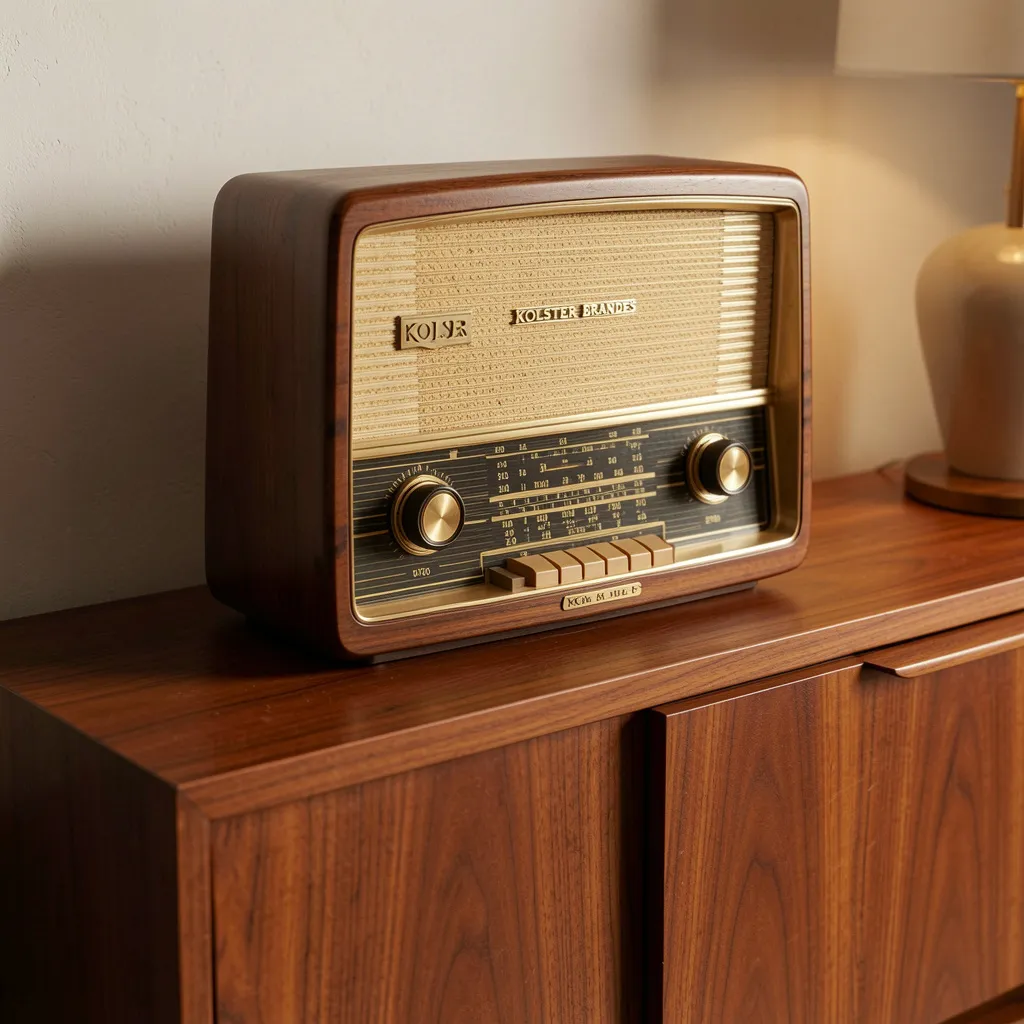
One of the most memorable chapters in the company’s history involves cigarettes, of all things. <cite index=”1-1,3-1″>In 1930, the company supplied 40,000 of its Masterpiece two-valve, bakelite cabinet radios to the Godfrey Phillips tobacco company, which gave them away to customers in exchange for cigarette coupons.</cite> This kind of promotional partnership helped put KB radios into thousands of British homes at once, long before modern marketing playbooks existed.
Record Players and Home Entertainment
Beyond radios, the brand diversified into a wider entertainment catalog. <cite index=”2-1″>Kolster-Brandes later expanded into mid-range electronics including radios, radiograms, televisions, tape recorders, amplifiers, and gramophones.</cite> Its record players carried playful names that fit the era’s optimistic, domestic charm.
- Playtime
- Gaytime
- Dancetime
- Tunetime
- Rhythm (valve-operated)
The Cunard Connection: KB at Sea
Kolster Brandes’ reputation wasn’t confined to the living room. Through its later corporate ownership, the company found itself supplying communications and entertainment technology to one of the most famous ocean liners in history. <cite index=”1-1″>K-B began a long association with Cunard after winning a contract to provide communications equipment for the RMS Queen Mary.</cite> This maritime relationship extended to other Cunard vessels and became a point of brand pride for decades.
Television Innovation: The “Queen” Set
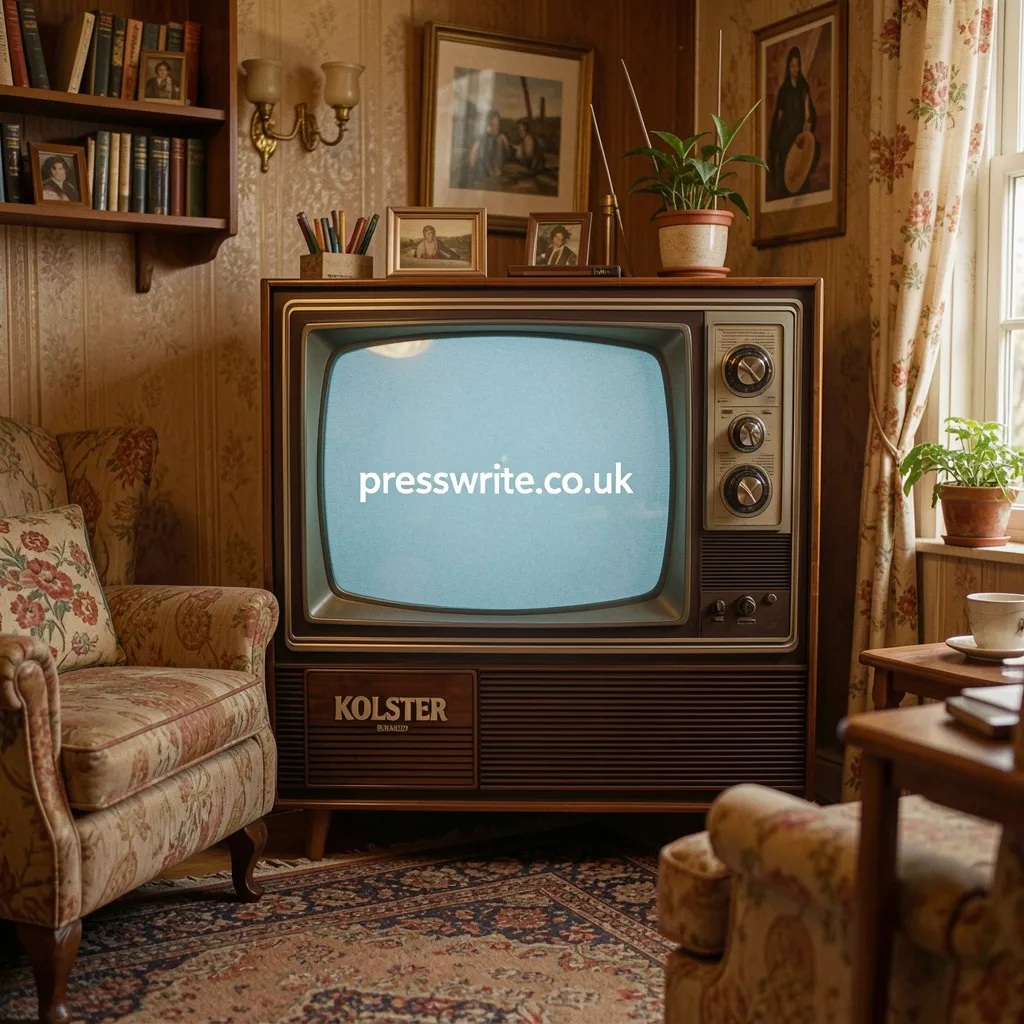
As British households transitioned from radio to television in the mid-twentieth century, Kolster Brandes moved with the times. <cite index=”2-1″>The company produced the “Queen” tabletop television set, one of the first affordable mass-produced television models, which used 20 valves and operated at 12 kV.</cite> For many families, a KB television was their first-ever window into broadcast entertainment.
Corporate Restructuring and the ITT Years
Absorption Into Standard Telephones and Cables
Ownership shifted again as the electronics industry consolidated. <cite index=”1-1″>In 1938, Kolster-Brandes became part of ITT’s British subsidiary, Standard Telephones and Cables (STC).</cite> The Foots Cray facility continued operating, now sharing space with related manufacturing operations under the same corporate umbrella.
Acquiring Rival Brand Names
Rather than compete against smaller manufacturers, the company absorbed them. <cite index=”3-1″>From 1960 onward, KB acquired the brand names Ace, RGD, Argosy, and Regentone, and continued manufacturing television receivers under the RGD brand into the 1960s.</cite>
The Slow Fade of the KB Name
Corporate identity kept shifting through the following decade. <cite index=”1-1″>In 1968, the Kolster-Brandes logo name changed to ITT KB, and between 1973 and 1974 the “KB” was dropped from the logo entirely.</cite> By the mid-1970s, the once-distinctive Kolster Brandes branding had effectively disappeared from the marketplace, folded into the broader ITT corporate identity.
Why Collectors Still Search for Kolster Brandes Today
Decades after the brand faded from shop windows, original KB radios, wire recorders, and promotional memorabilia remain highly sought after among vintage electronics collectors. Items still circulate on auction and resale platforms, from tabletop radios to dealer promotional signage originally used in retail showrooms.
What collectors typically look for:
- Bakelite cabinet radios (especially the Masterpiece model)
- KB-branded wire recorders, such as the EWR 60 (1949)
- Original dealer promotional signs and badges
- Vintage catalogs from the 1920s–1930s
- Valve-operated record players under the Playtime, Gaytime, and Rhythm names
Kolster Brandes at a Glance: Timeline Summary
| Year | Milestone |
| 1908 | Brandes founded in Toronto, Canada |
| 1922 | Brandes becomes part of AT&T |
| 1924 | Brandes Ltd established in Slough, UK |
| 1928 | Move to Foots Cray, Sidcup, Kent |
| 1930 | Renamed Kolster-Brandes after merger with Kolster Radio Corporation |
| 1930 | Masterpiece radio giveaway with Godfrey Phillips tobacco |
| 1938 | Absorbed into ITT’s STC subsidiary |
| 1949 | EWR 60 wire recorder produced |
| 1954 | KR20FM valve table radio manufactured |
| 1960s | Acquires Ace, RGD, Argosy, Regentone brands |
| 1968 | Logo changes to ITT KB |
| 1973–74 | “KB” dropped from branding entirely |
Frequently Asked Questions About Kolster Brandes
What does “Kolster Brandes” mean?
It’s the combined name formed after the American parent company of Brandes Ltd merged with the Kolster Radio Corporation, creating the unified Kolster-Brandes brand.
Is Kolster Brandes still in business today?
No. The brand name was gradually phased out between 1968 and 1974 as its parent company, ITT, consolidated its branding across subsidiaries.
What products was Kolster Brandes known for?
Radios, loudspeakers, headphones, record players, tape recorders, amplifiers, and eventually televisions — including one of the first affordable mass-produced TV sets.
Are vintage Kolster Brandes radios valuable?
Values vary by model and condition, but certain pieces — particularly bakelite cabinet radios and promotional dealer memorabilia — attract steady interest from collectors of vintage British electronics.
What was the Kolster Brandes connection to the Queen Mary?
The company won a contract to supply communications equipment for the RMS Queen Mary, beginning a long-standing relationship with Cunard’s ocean liner fleet.
Final Thoughts: A Brand Worth Remembering
Kolster Brandes represents more than just old radios sitting in attics or museum displays. It’s a snapshot of how transatlantic engineering, clever marketing, and shifting corporate ownership shaped the everyday technology of an entire era. For anyone tracing the roots of British consumer electronics, the KB name is a thread worth following — one that connects a small Toronto headphone maker to ocean liners, wartime radio technology, and the living rooms of millions.
What’s left today is largely nostalgia and collectible hardware, but the engineering DNA behind the Kolster Brandes name still echoes through the broader history of radio and television manufacturing in Britain.
