
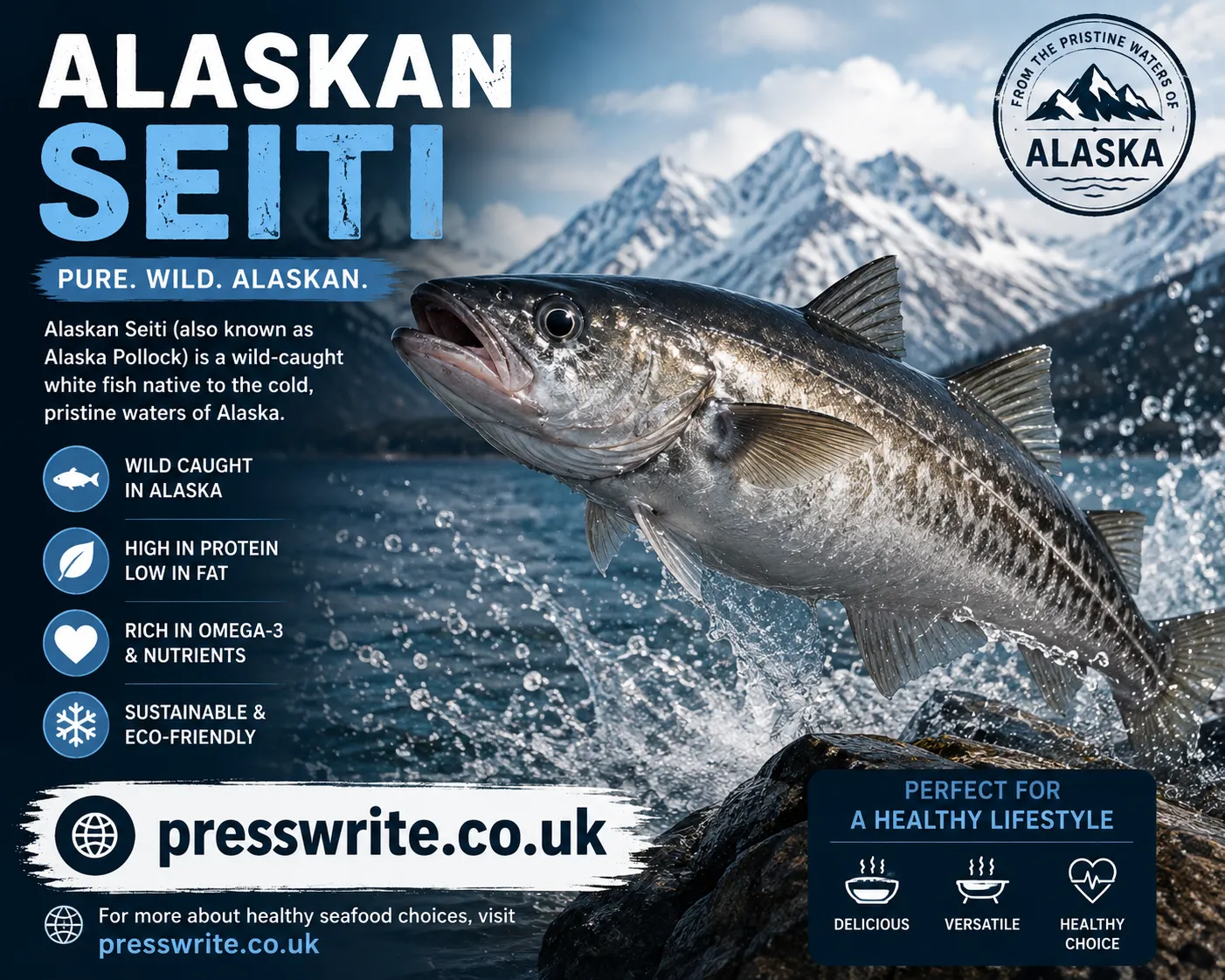
Alaskan Seiti: The Secret Fish Everyone’s Already Eating
If you’ve spotted the term “Alaskan seiti” on a menu, a frozen food package, or a food blog and wondered what it actually is, you’re not alone. It’s one of those names that sounds exotic but hides something far more familiar in your everyday diet. This guide breaks down everything worth knowing — what it is, where it comes from, why it matters, and how to cook it — so you walk away with a complete, practical understanding rather than half-answers scattered across the internet.
What Is Alaskan Seiti?
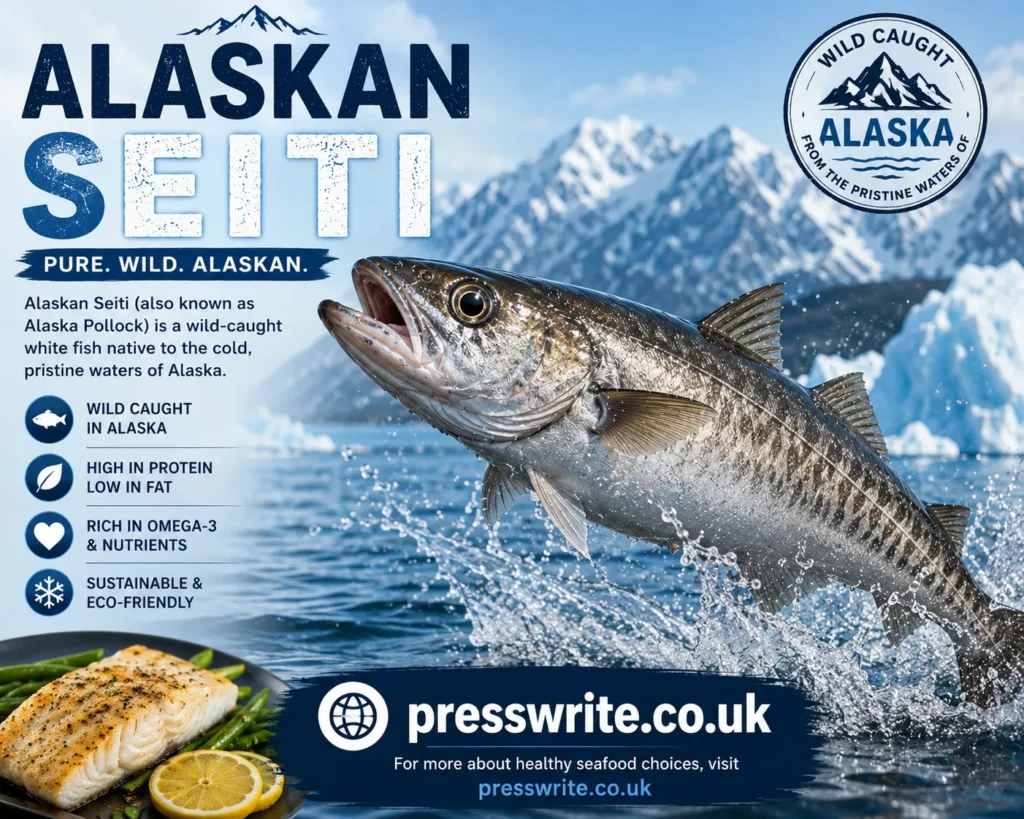
“Alaskan seiti” is a market name used in some regions and food articles for Alaska pollock, a mild, white-fleshed fish scientifically classified as Gadus chalcogrammus. It belongs to the cod family (Gadidae), which is why its texture and flavor are often compared to cod and haddock.
The name itself can be confusing because the same fish goes by several labels depending on the country, the store, or the recipe:
- Alaska pollock
- Walleye pollock
- Pacific pollock
- Alaskan seiti
Despite the different names, they all point to the same species living in the cold, nutrient-dense waters of the North Pacific.
Why the Name Confusion Happens
Seafood naming isn’t standardized the way you’d expect. A single species can carry different commercial names across regions, translations, and marketing efforts. This is common with whitefish species in particular, since many share a similar appearance and mild taste, making it easy for market names to blend or shift over time.
Where Alaskan Seiti Comes From
Alaskan seiti is harvested primarily from two major fishing grounds:
- The Bering Sea
- The Gulf of Alaska
These cold, oxygen-rich waters create ideal conditions for the species to thrive, and they support one of the largest and most closely monitored fisheries in the world. The fish is semipelagic, meaning it moves and feeds in large schools rather than staying near the ocean floor, which influences how it’s caught and why the fishery is considered relatively low-impact on surrounding habitats.
Nutritional Profile of Alaskan Seiti
One reason this fish keeps showing up in health-conscious meal plans is its nutritional profile. It’s lean, protein-dense, and low in saturated fat, making it a practical option for anyone managing calories without sacrificing protein intake.
| Nutrient | Approximate Amount (per 100g serving) | Why It Matters |
| Protein | 18–20g | Supports muscle repair and satiety |
| Calories | 80–90 kcal | Low-calorie protein source |
| Total Fat | Less than 1g | Fits calorie-controlled diets |
| Omega-3 (DHA/EPA) | Present, moderate levels | Supports heart and brain health |
| Vitamin B12 | High | Supports nerve and blood cell function |
| Selenium | High | Antioxidant properties |
| Phosphorus | Moderate | Supports bone health |
Who Benefits Most From Eating It
- People tracking protein intake without excess fat
- Anyone reducing red meat consumption
- Families looking for a budget-friendly seafood option
- People sensitive to strong “fishy” flavors, since this species is notably mild
Health Benefits Worth Knowing
Beyond the raw numbers, there are practical reasons this fish has earned a spot in nutrition guides:
- Lean protein without the guilt — it delivers a high protein-to-calorie ratio, useful for muscle maintenance and weight management.
- Heart-supportive fats — while not as rich in omega-3s as salmon, it still contributes meaningfully to a heart-healthy diet.
- Micronutrient density — the combination of B12, selenium, and phosphorus supports energy metabolism, immune function, and bone strength.
- Easy digestibility — its light texture makes it a common recommendation for people easing into a seafood-heavy diet or recovering from illness.
How Alaskan Seiti Is Caught and Why Sustainability Matters
Most of this fish is caught using pelagic trawl nets — large, cone-shaped nets towed through the mid-water column rather than dragged along the seafloor. This method significantly reduces damage to bottom habitats compared to other trawling techniques.
The fishery is also known for having a very low bycatch rate, meaning the vast majority of what’s caught is the target species itself, not unrelated marine life. Combined with strict catch limits and ongoing population monitoring, this has helped the fishery earn sustainability certifications from major international bodies.
What This Means for Consumers
Choosing this fish isn’t just a taste or budget decision — it’s one of the more environmentally responsible seafood choices available at scale, which matters if sustainability factors into your grocery decisions.
Culinary Uses: Where You’ve Probably Already Eaten It
Here’s the twist: most people have eaten this fish without realizing it. Its mild flavor and flaky texture make it a background player in many well-known food products.
- Fish sticks and breaded fillets
- Imitation crab (surimi)
- Fast-food fish sandwiches
- Frozen fish fillets sold under generic “whitefish” labeling
- Sushi-adjacent products, where surimi appears in rolls
How to Cook It at Home
Because the flavor is so neutral, it adapts well to almost any cooking method:
- Baking — season lightly and bake until it flakes easily, usually around 12–15 minutes at moderate heat.
- Pan-searing — quick, crisp edges with a soft interior; pairs well with citrus and butter.
- Frying — a classic choice for fish tacos or fish and chips.
- Poaching — gentle cooking in broth keeps it moist, ideal for soups and chowders.
Alaskan Seiti vs Other Common White Fish
| Feature | Alaskan Seiti (Pollock) | Cod | Haddock | Tilapia |
| Flavor | Very mild | Mild | Mild, slightly sweet | Mild |
| Texture | Flaky, soft | Firm, flaky | Firm | Soft, delicate |
| Price | Generally affordable | Mid-range | Mid-range | Affordable |
| Sustainability rating | Strong | Varies by source | Varies by source | Varies by farming method |
| Common use | Fish sticks, surimi, sandwiches | Fillets, fish and chips | Fillets, smoked dishes | Fillets, tacos |
How to Buy It With Confidence
Because naming varies, it helps to know what to look for on packaging:
- Check for “Alaska pollock” or “walleye pollock” on the label, since that’s the standardized market name in most regions.
- Look for sustainability certification logos if that matters to your purchasing decisions.
- Frozen fillets are common and just as nutritious as fresh, since the fish is typically flash-frozen shortly after catch.
- Avoid products labeled only as “whitefish” if you specifically want this species, since that term can refer to multiple fish types.
Economic and Global Importance
This fishery isn’t a niche operation — it’s one of the largest single-species fisheries on the planet, supporting coastal economies, seafood processing industries, and global food supply chains. Its affordability and consistent supply make it a staple ingredient far beyond Alaska, showing up in seafood markets worldwide under whichever local name applies.
Common Myths About Alaskan Seiti
- “It’s a lower-quality fish.” In reality, quality depends on freezing and handling practices, not the species itself.
- “It’s the same as imitation crab.” Imitation crab is often made from this fish, but the whole fillet form is a distinct product.
- “It has no nutritional value.” As shown in the table above, it’s actually a solid source of lean protein and key micronutrients.
Frequently Asked Questions
Is alaskan seiti the same as Alaska pollock?
Yes. In most food-writing and market contexts, the term refers directly to Alaska Pollock (Gadus chalcogrammus).
Is it safe to eat regularly?
Yes, for most people. Its low mercury levels compared to larger predatory fish make it a reasonable choice for frequent consumption.
Does it taste fishy?
No. It’s known specifically for its mild, almost neutral flavor, which is why it’s used in so many processed seafood products.
Is frozen alaskan seiti as good as fresh?
Generally yes. Because it’s flash-frozen shortly after catch, nutritional quality and texture hold up well.
Is it a sustainable seafood choice?
Yes, relative to many other commercial fisheries, thanks to low bycatch rates and closely monitored catch limits.
A Closing Thought
What’s genuinely interesting about alaskan seiti isn’t just the fish itself — it’s how invisible it manages to stay despite how often it ends up on our plates. It rarely gets the spotlight the way salmon or tuna does, yet it quietly supports one of the largest food systems in the world. The next time you bite into a fish sandwich or a piece of imitation crab, there’s a decent chance this unassuming North Pacific fish is doing the work behind the scenes — a reminder that some of the most essential ingredients in our diets are the ones we never think to ask about.
