
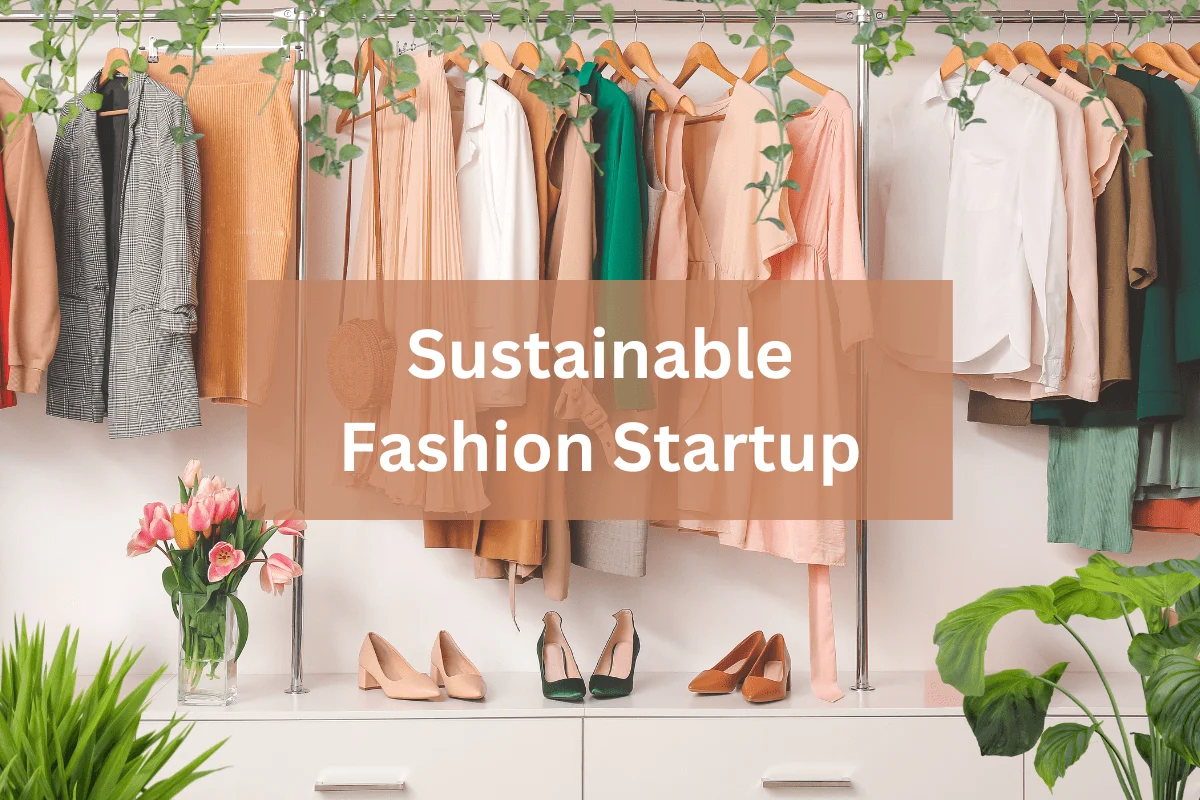
Fast fashion built an empire on cheap clothes and quick turnover — and left behind a trail of textile waste, underpaid labor, and carbon emissions that the planet is still paying for. Against that backdrop, a new generation of founders is proving that clothing can be made differently: with recycled fibers, transparent supply chains, and business models built around longevity instead of disposability. This article breaks down what sustainable fashion startups actually are, why they matter, how they operate, and what to look for if you want to support (or build) one.
What Are Sustainable Fashion Startups?
Sustainable fashion startups are early-stage apparel and accessory companies that design their products, materials, and operations around reducing environmental and social harm. Unlike legacy fashion houses retrofitting old supply chains, these startups often build sustainability into their DNA from day one — choosing organic or recycled materials, working with certified factories, and designing garments meant to last years, not weeks.
Core Traits That Define Them
- Material innovation — organic cotton, recycled polyester, Tencel, mushroom leather, or deadstock fabric
- Transparent supply chains — published factory locations, worker wages, and audit results
- Circular design — clothes made to be repaired, resold, or recycled at end of life
- Small-batch or made-to-order production — reducing overproduction and unsold inventory
- Direct-to-consumer models — cutting out middlemen and markup-driven waste
Why Sustainable Fashion Startups Matter Right Now
The apparel industry is one of the largest polluters globally, and consumer awareness has shifted sharply in the last decade. Younger buyers, in particular, are willing to pay more for garments they trust were made responsibly. That shift in demand has opened space for startups to compete with giants — not on price, but on values, story, and material quality.
The Environmental Case
Textile production consumes enormous volumes of water and generates significant carbon output. Startups working with recycled or low-impact materials directly reduce that footprint at the source, rather than offsetting it after the fact.
The Social Case
Many sustainable startups pair environmental goals with fair-labor commitments — living wages, safe factory conditions, and long-term partnerships with artisans rather than the lowest-bidder sourcing common in fast fashion.
How Sustainable Fashion Startups Operate
Material Sourcing
Founders typically choose from a defined set of low-impact materials:
| Material | Source | Common Use |
| Organic cotton | Non-GMO, pesticide-free farms | T-shirts, denim |
| Recycled polyester (rPET) | Plastic bottles, ocean waste | Activewear, outerwear |
| Tencel/Lyocell | Sustainably harvested wood pulp | Dresses, linings |
| Deadstock fabric | Leftover rolls from other brands | Limited-run collections |
| Mycelium (mushroom) leather | Fungal biomass | Bags, footwear |
Production Models
- Made-to-order — items are produced only after purchase, eliminating unsold stock
- Small-batch runs — limited quantities that sell out and restock rather than overproducing
- Local manufacturing — shorter shipping distances and easier oversight of labor conditions
Funding and Growth
Most sustainable fashion startups raise early capital through a mix of angel investment, crowdfunding, and impact-focused venture funds that specifically look for environmental or social returns alongside financial ones.
Challenges Sustainable Fashion Startups Face
Higher Production Costs
Certified organic materials and ethical labor cost more than conventional alternatives, which usually translates to higher retail prices — a barrier for price-sensitive shoppers.
Greenwashing Skepticism
Because “sustainable” and “eco-friendly” aren’t strictly regulated terms, consumers have grown wary of vague claims. Startups now have to back up marketing with certifications, audits, or verifiable data.
Scaling Without Compromising Values
Growth often pressures startups to increase production speed and volume — the exact dynamics that erode sustainability commitments. Balancing growth with principles is an ongoing tension for founders in this space.
How to Evaluate a Sustainable Fashion Startup
If you’re deciding whether a brand’s sustainability claims hold up, a few signals are worth checking before you buy:
- Does it publish factory names and locations?
- Are there third-party certifications (GOTS, Fair Trade, B Corp)?
- Does it disclose material composition clearly, not just “eco-friendly fabric”?
- Is there a repair, resale, or take-back program?
- Does pricing reflect real production costs, or is “sustainable” just a marketing label on the same margins?
The Road Ahead for Sustainable Fashion Startups
The next phase for this sector likely hinges on scale — proving that ethical, low-impact production can compete with fast fashion on more than just price. Advances in biofabricated materials, AI-driven demand forecasting to cut overproduction, and stronger resale infrastructure are already narrowing that gap. Whether these startups eventually reshape the mainstream industry or stay a values-driven niche will depend as much on consumer habits as on the founders themselves.
Frequently Asked Questions
What makes a fashion startup “sustainable”?
A startup earns the label through concrete practices — responsibly sourced materials, transparent supply chains, and fair labor conditions — not simply by using the word in marketing.
Are sustainable fashion startups more expensive?
Generally yes, since ethical labor and low-impact materials cost more to source than conventional mass-produced alternatives.
H3: How can I tell if a brand is greenwashing?
Look for verifiable certifications and published supply chain data. Vague claims without evidence are a common red flag.
Do sustainable fashion startups only use recycled materials?
No — many combine recycled materials with organic, biodegradable, or innovative alternatives like mushroom leather, depending on the product.
Is buying from a startup better than buying secondhand?
Both reduce environmental impact in different ways; secondhand buying extends the life of existing garments, while sustainable startups reduce the harm of new production. Combining both is often the most effective approach.
