

Introduction
Wollmatten, commonly translated as wool mats, are versatile products made from natural wool fibers. For centuries, wool has been one of the most valued natural materials due to its durability, insulation properties, and eco-friendly nature. Today, Wollmatten are used in homes, gardens, industrial settings, and even in modern construction projects.
As sustainability becomes a global priority, more people are turning toward natural products instead of synthetic alternatives. Wool mats offer an excellent combination of functionality, comfort, and environmental responsibility. Whether used as decorative floor coverings, gardening aids, or insulation materials, Wollmatten continue to gain popularity across various industries.
This article explores everything you need to know about Wollmatten, including their history, manufacturing process, benefits, applications, maintenance, and future trends.
What Are Wollmatten?
Wollmatten are mats made primarily from wool fibers. These fibers may come from sheep, alpacas, goats, or other wool-producing animals. The wool is processed, cleaned, and woven, felted, or compressed into mat form.
Depending on their intended use, Wollmatten can vary in thickness, density, size, and texture. Some are designed for indoor comfort and aesthetics, while others serve practical purposes such as soil protection, insulation, or erosion control.
The natural characteristics of wool make these mats highly effective in multiple environments. Wool is breathable, moisture-resistant, temperature-regulating, and biodegradable, making it an attractive material for sustainable living.
History of Wool Mats
The use of wool dates back thousands of years. Ancient civilizations recognized the value of wool not only for clothing but also for household items such as blankets, rugs, and floor coverings.
In Europe, particularly in regions known for sheep farming, wool mats became common in homes and agricultural settings. Traditional wool craftsmanship evolved over centuries, leading to the production of high-quality felted and woven mats.
The German term “Wollmatten” reflects the strong cultural connection between wool production and practical household goods in many European countries. Over time, advances in manufacturing technology improved the quality and availability of wool mats, making them accessible to a broader audience.
How Wollmatten Are Manufactured
The production of Wollmatten involves several stages:
1. Wool Collection
The process begins with shearing sheep or collecting wool from other animals. The raw wool contains natural oils, dirt, and plant materials.
2. Cleaning
The wool undergoes a washing process known as scouring. This removes impurities while preserving the fiber’s natural qualities.
3. Carding
During carding, fibers are aligned and prepared for further processing. This step improves consistency and quality.
4. Felting or Weaving
Manufacturers use different techniques depending on the desired product:
- Felted wool mats are created by compressing fibers together using moisture, heat, and pressure.
- Woven wool mats are produced using traditional weaving techniques.
- Needle-punched mats use specialized machinery to interlock fibers.
5. Finishing
The finished mats may be trimmed, dyed, treated, or shaped according to specific applications.
Benefits of Wollmatten
Natural Insulation
One of the most significant advantages of wool mats is their excellent insulation capability. Wool naturally traps air within its fibers, helping maintain comfortable temperatures.
Moisture Regulation
Unlike synthetic materials, wool can absorb and release moisture without feeling wet. This property helps create healthier indoor environments.
Sustainability
Wool is a renewable resource. Sheep produce new wool annually, making it a sustainable material choice.
Biodegradability
At the end of its life cycle, wool decomposes naturally and returns nutrients to the environment.
Durability
High-quality Wollmatten can last for many years with proper care and maintenance.
Fire Resistance
Wool is naturally flame-resistant, offering an added level of safety compared to many synthetic alternatives.
Comfort
The soft texture of wool provides comfort underfoot and enhances indoor living spaces.
Types of Wollmatten
Decorative Wool Mats
These mats are commonly used in homes and offices. They serve both aesthetic and practical purposes.
Features include:
- Attractive designs
- Soft texture
- Natural appearance
- Enhanced comfort
Garden Wool Mats
Gardeners increasingly use wool mats as eco-friendly alternatives to plastic weed barriers.
Benefits include:
- Weed suppression
- Moisture retention
- Soil temperature regulation
- Biodegradability
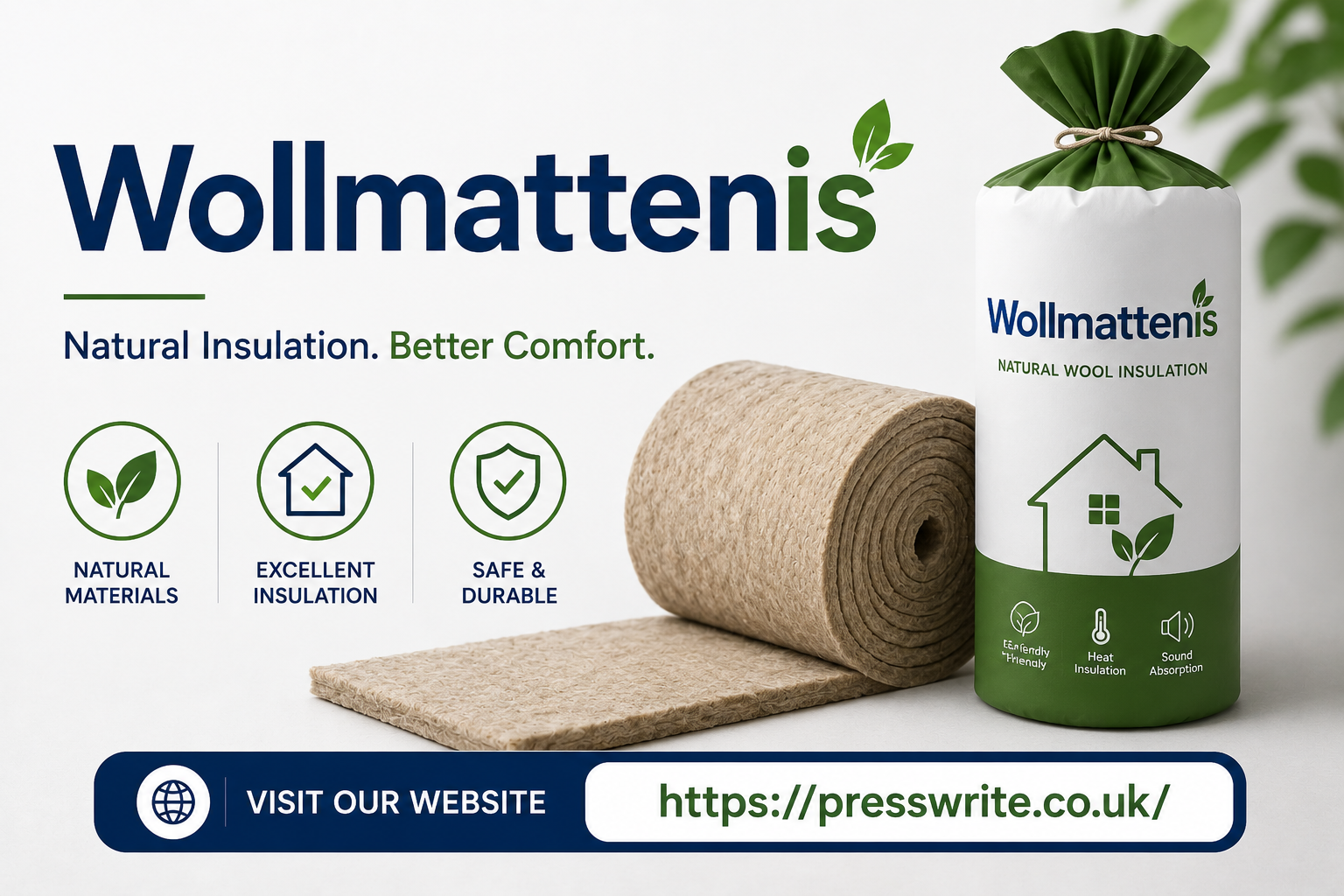
Insulation Wool Mats
Construction industries utilize wool mats for thermal and acoustic insulation.
Applications include:
- Wall insulation
- Roof insulation
- Soundproofing systems
Industrial Wool Mats
Industrial-grade Wollmatten are designed for heavy-duty applications.
Common uses include:
- Equipment protection
- Filtration systems
- Packaging materials
Wollmatten in Sustainable Gardening
One of the fastest-growing applications for Wollmatten is gardening.
Weed Control
Wool mats create a protective layer over soil, preventing weed growth while allowing water penetration.
Water Conservation
The fibers retain moisture and gradually release it to plants, reducing watering frequency.
Soil Improvement
As wool decomposes, it releases valuable nutrients such as nitrogen into the soil.
Frost Protection
Wool mats help protect plant roots from extreme temperatures during winter months.
Reduced Plastic Waste
Unlike synthetic weed barriers, wool mats break down naturally without polluting the environment.
Wollmatten in Home Design
Interior designers increasingly favor natural materials, and Wollmatten fit perfectly into modern sustainable homes.
Living Rooms
Wool mats add warmth, texture, and visual appeal to living spaces.
Bedrooms
Their softness and insulation qualities create comfortable bedroom environments.
Entryways
Durable wool mats can withstand regular foot traffic while maintaining their appearance.
Children’s Rooms
Natural wool products are often preferred for their comfort and reduced exposure to synthetic materials.
Acoustic Benefits of Wollmatten
Noise pollution is a growing concern in urban environments. Wool mats help reduce unwanted sound through their natural fiber structure.
Benefits include:
- Reduced echo
- Improved room acoustics
- Enhanced workplace productivity
- Better living comfort
This makes Wollmatten popular in offices, schools, hotels, and residential buildings.
Thermal Performance
Wool’s insulating properties make Wollmatten effective in controlling indoor temperatures.
Winter Benefits
They help retain heat, reducing energy consumption and heating costs.
Summer Benefits
Wool also assists in maintaining cooler indoor conditions by regulating airflow and humidity.
The result is improved energy efficiency throughout the year.
Environmental Advantages
Renewable Resource
Wool grows naturally and can be harvested annually without harming animals.
Low Carbon Footprint
The production of wool mats often requires less energy compared to many synthetic materials.
Reduced Waste
Biodegradable wool products contribute less waste to landfills.
Circular Economy Support
Wollmatten align with circular economy principles by using renewable resources and returning safely to nature after use.
Comparing Wollmatten with Synthetic Mats
Environmental Impact
Wool mats are generally more eco-friendly than synthetic alternatives.
Comfort
Natural fibers provide superior softness and temperature regulation.
Lifespan
While both can be durable, high-quality wool mats often maintain performance for extended periods.
Cost
Wool mats may have higher initial costs but often deliver better long-term value.
Disposal
Synthetic mats may remain in landfills for decades, whereas wool naturally decomposes.
Maintenance and Care
Proper maintenance extends the lifespan of Wollmatten.
Regular Cleaning
Vacuum regularly to remove dust and debris.
Spot Cleaning
Use mild soap and water for minor stains.
Avoid Excessive Moisture
Although wool handles moisture well, prolonged exposure should be avoided.
Proper Storage
Store in dry, ventilated areas when not in use.
Protection from Pests
Natural wool may attract certain insects, so appropriate storage measures are recommended.
Common Applications Across Industries
Agriculture
Farmers use wool mats for:
- Crop protection
- Soil management
- Moisture retention
Construction
Builders utilize wool mats for:
- Insulation
- Soundproofing
- Sustainable building projects
Hospitality
Hotels often choose wool mats because of their luxury appearance and durability.
Commercial Offices
Businesses use wool flooring solutions to improve comfort and acoustics.
Transportation
Certain transportation industries employ wool-based materials for insulation and vibration control.
Innovations in Wollmatten Technology
Modern manufacturers continue improving wool mat technology.
Recent innovations include:
Enhanced Durability
Advanced processing techniques increase resistance to wear.
Improved Moisture Control
New manufacturing methods optimize water absorption and release.
Eco-Friendly Treatments
Natural treatments improve performance while maintaining sustainability.
Smart Building Integration
Wool insulation products are increasingly incorporated into energy-efficient building designs.
Challenges Facing the Wollmatten Industry
Despite many advantages, several challenges remain.
Higher Production Costs
Natural materials often cost more than synthetic alternatives.
Limited Consumer Awareness
Many consumers remain unfamiliar with the benefits of wool mats.
Supply Fluctuations
Wool availability can vary depending on agricultural conditions.
Competition from Synthetic Products
Mass-produced synthetic materials continue to dominate some market segments.
However, growing environmental awareness is helping increase demand for sustainable alternatives.
Future of Wollmatten
The future looks promising for Wollmatten as sustainability becomes increasingly important.
Key trends include:
- Growing demand for eco-friendly products
- Expansion in sustainable construction
- Increased use in organic gardening
- Development of innovative wool technologies
- Greater consumer awareness of environmental issues
Governments, businesses, and consumers are all seeking greener solutions, creating opportunities for continued growth in the wool mat market.
Conclusion
Wollmatten represent an excellent example of how traditional natural materials can meet modern needs. Their unique combination of sustainability, comfort, durability, and versatility makes them valuable across many industries.
From home décor and gardening to insulation and industrial applications, wool mats offer practical solutions while supporting environmental responsibility. As consumers increasingly prioritize eco-friendly products, the popularity of Wollmatten is expected to continue rising.
Whether you are looking for a sustainable flooring option, an effective gardening aid, or a high-performance insulation material, Wollmatten provide a natural and reliable choice. Their long history, proven performance, and environmental benefits ensure they will remain relevant for years to come.